Yoruba Richen
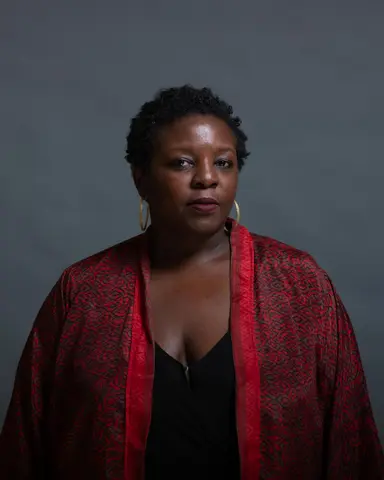
I first encountered the Joan Little case while making “The Rebellious Life of Mrs. Rosa Parks,” the first feature documentary about the pioneering activist. In that film, I explored Parks’s lifelong work exposing sexual violence against Black women in the South, including the case of Recy Taylor. Taylor was raped in Alabama by a group of white men who threatened to kill her if she spoke out. Her courage sparked a years-long campaign that united African American organizations, communists and women's groups. Though her attackers were never convicted, the campaign was a blueprint for the Free Joan Little movement.
When I learned that Rosa Parks was head of the Free Joan Little campaign in Detroit, I knew that I wanted to go deeper into the story. Little endured profound trauma as well as brief fame as a result of her case. My goal in making this film is to center her voice and to show how her fight was a crucial turning point in the anti-rape, prison reform and racial justice movements. Though once a cause célèbre, she has faded from public memory. In a time of growing backlash against efforts to confront these systemic issues and suppress our history, Joan Little’s story is more urgent than ever.
Presentations from Facing Race 2024
The Cost of Inheritance explores the complex issue of reparations in the United States and takes a personal approach to understanding our history, systemic injustices, and racial inequities. We follow descendants of enslavers and the enslaved as they are reckoning with their past and trying to find a just way forward. Opposing views and challenges to the concept of reparations are also heard in the exposition of our complicated history. The film introduces viewers to those who are working toward common ground, despite their differing perspectives. The protagonists launch conversations, attempt to reconcile, and take specific actions that aspire to close the racial wealth gap in America. The disparate trajectory of lives, families, and communities impacted by structural racism unfolds through archival images of land, labor exploitation, and racial violence, set against a backdrop that depicts the pursuit of justice for Japanese internment survivors and survivors of the Holocaust.
Directed by Yoruba Richen, Produced by Lacey Shwartz and Mehret Mandefro